
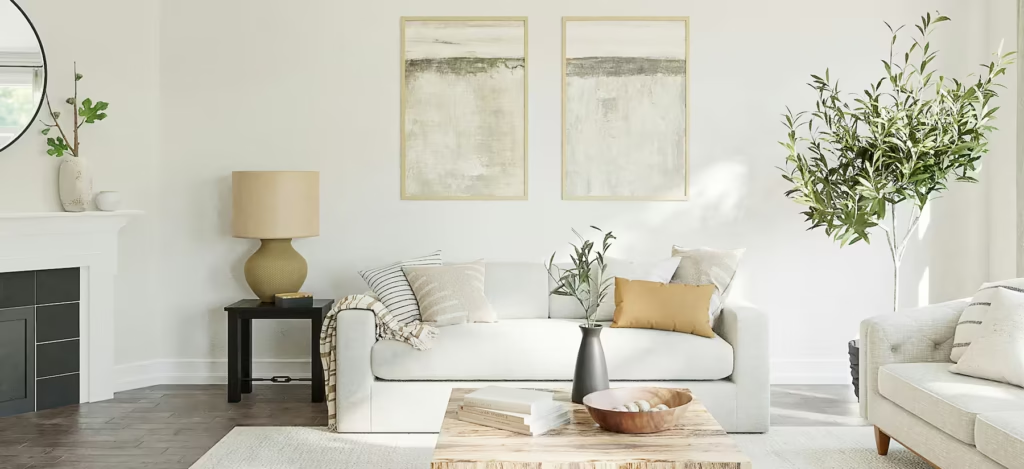
Most older adults want to remain in their own home for as long as possible. Familiar surroundings provide comfort, confidence and independence. As needs change with age, small adjustments may be needed to keep the home safe and accessible, without disrupting daily routines or incurring unnecessary costs.
This guide is designed to help families make informed, proportionate decisions about home safety. It focuses on practical improvements that reduce risk while preserving dignity and independence. Families do not need to implement every suggestion. Instead, the aim is to help you prioritise changes based on individual needs, preferences and circumstances.

Working with Occupational Therapists and Other Professionals
When considering home adaptations or specialist equipment, involving the right professionals can help ensure changes are genuinely helpful rather than unnecessary or poorly suited. Occupational therapists (OTs) are trained to assess how a person manages daily activities within their own home and can recommend practical, personalised solutions based on real-world needs. This might include advising on suitable mobility aids, seating, bathroom equipment or layout changes, as well as identifying when simpler adjustments would be more effective than larger interventions.
Versacare working alongside OTs, GPs and community health teams helps ensure equipment is matched to the individual’s abilities, preferences and long-term outlook, reducing the risk of unsuitable installations or unused equipment. For families, professional input provides reassurance that decisions are evidence-based, proportionate and focused on maintaining independence and dignity rather than over-medicalising the home.
Creating a Safer Living Environment for Seniors
Personal care forms the foundation of most live-in care plans. VersaCare carers support clients with essential daily routines, taking into account mobility, while maintaining dignity and independence.
Fall Prevention Strategies
Falls are one of the most common causes of injury among older adults and often occur in familiar spaces rather than unfamiliar ones. Changes in balance, vision or strength can gradually turn everyday features of the home into hazards if they are not reviewed over time.
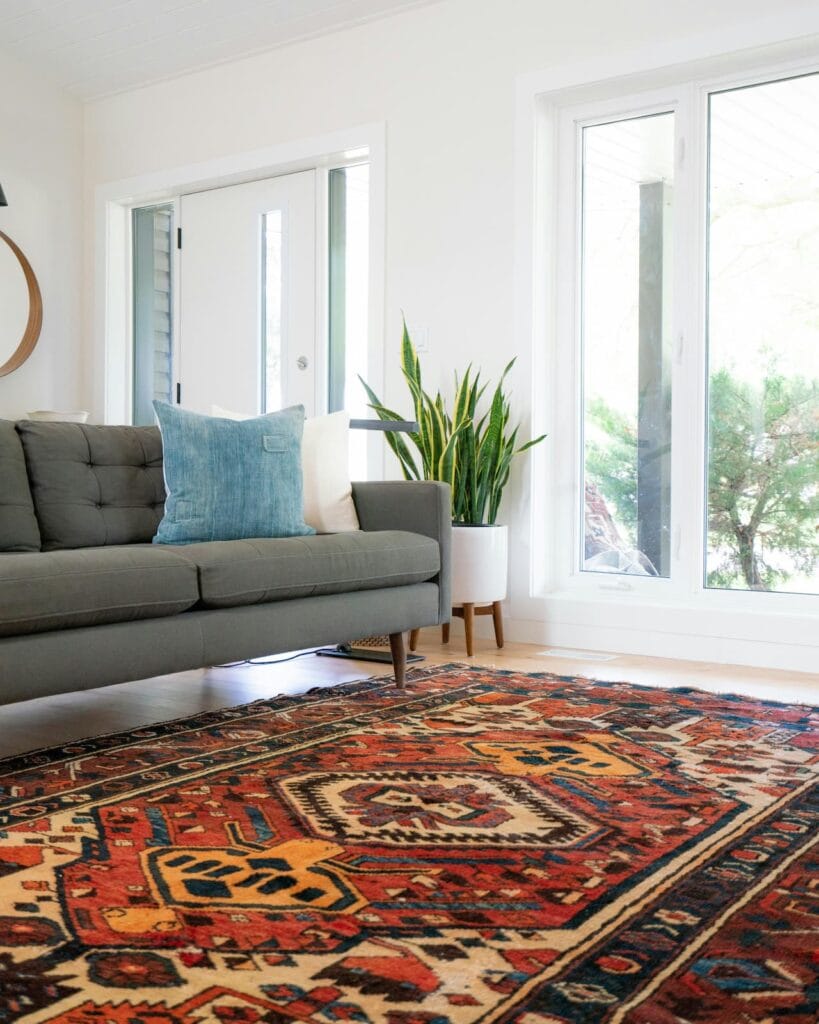
Common risks include cluttered walkways, slippery or uneven floors, loose rugs and poor lighting. A helpful first step is to walk through the home and observe how your relative moves between rooms, particularly in tighter spaces or when carrying items.
Simple changes can make a noticeable difference. Rearranging furniture to create clearer walkways, keeping floors dry and free from clutter, and storing frequently used items within easy reach all reduce the likelihood of trips or sudden loss of balance. As needs change, revisiting these adjustments periodically helps prevent problems before they arise.
Flooring and Surface Modifications
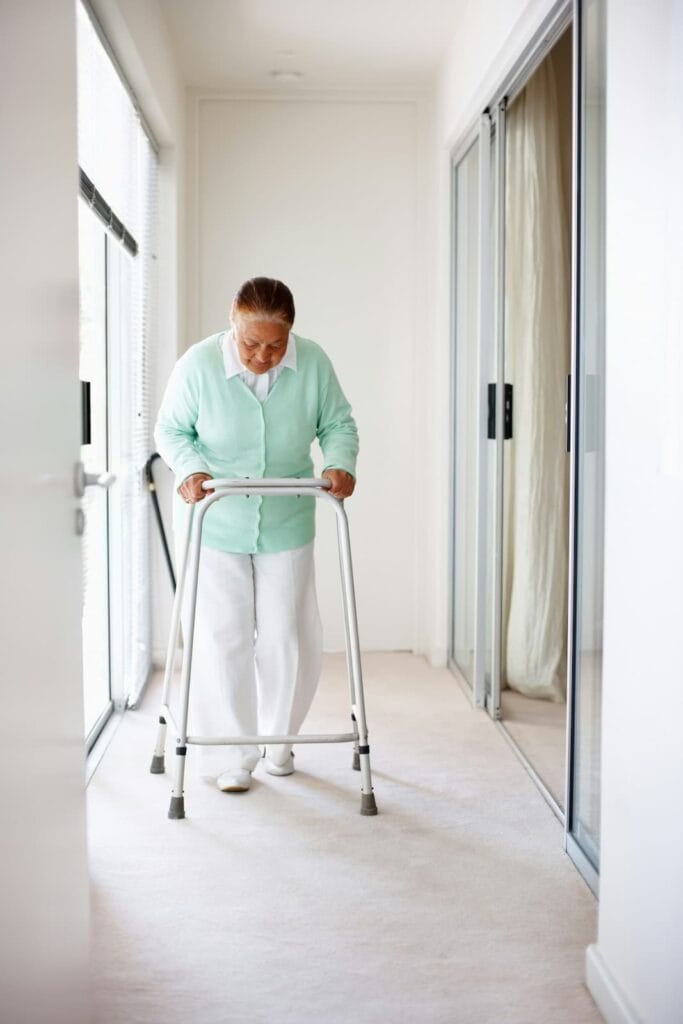
Safe movement around the home relies on two things working together: secure surfaces underfoot and appropriate physical support where balance or strength is challenged. Addressing both helps older adults move with greater confidence and reduces the risk of falls.
At floor level, slip resistance is particularly important in areas where water or spills are more likely, such as bathrooms, kitchens and entrances. Non-slip flooring overlays or mats can significantly reduce slipping risk and typically cost between £20 and £60. Loose rugs should ideally be removed, or securely fixed with anti-slip backing at little or no cost. Keeping floors clean and dry remains one of the simplest and most effective preventative measures.
Staircases benefit from both physical and visual support. Adding contrast strips to stair edges improves visibility and depth perception, particularly for those with reduced vision, and often costs around £5 to £10 per strip. These small visual cues can noticeably improve confidence when using the stairs.
Mobility supports provide reassurance where balance is less reliable. Grab bars for bathrooms, hallways or near steps usually cost £15 to £30 each, while handrails fitted to both sides of staircases typically range from £50 to £120 per side. These supports offer stability during transfers and reduce reliance on a single point of balance.
In multi-level homes, stairlifts may be appropriate where stairs become a barrier to daily living. While a more significant investment, they often start from around £1,500 and can allow continued use of the full home. Threshold ramps, costing £30 to £80, help smooth small changes in floor height and are particularly useful for walking aids or wheelchairs.
Taken together, these adjustments support independence without altering the character of the home. By combining safer surfaces with well-placed physical supports, families can reduce fall risks while preserving dignity and confidence.
Versacare will work with clients, families or advocates to ensure a safe environment is implemented and maintained.
Bathroom Safety Enhancements
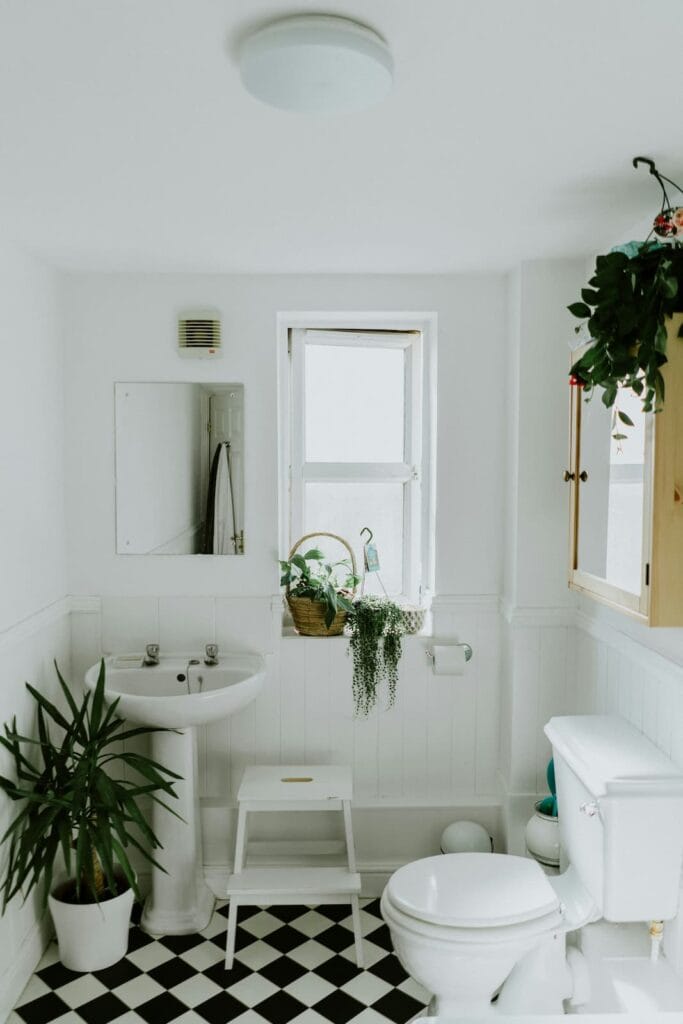
Bathrooms present one of the highest risks for slips and injuries, particularly as balance, strength or reaction times change. Water, smooth surfaces and confined layouts can all contribute to falls, even in homes that have felt safe for many years. Targeted adjustments can significantly improve safety without turning the space into something clinical.
Many of the enhancements listed below will be available at no cost from the Local Authority on OT, or at low cost on a rental basis from a local charity such as the Salvation Army, Versacare can assist in acquiring necessary aids to mobility and safety.
Entering and exiting the bath or shower is often the most challenging movement. Where appropriate, walk-in baths or level-access showers can remove the need to step over high sides and typically start from around £500 for basic options. These are not always necessary, however, and many homes can be made safer with simpler additions.
Shower chairs and bath benches provide stable seating and usually cost £25–£60, allowing washing to be done comfortably while seated. Non-slip bath mats add grip underfoot, while handheld shower heads, available from £15, reduce strain and improve control. Thermostatic controls or temperature regulators help prevent sudden temperature changes and generally cost £30–£70.
Toilet use is another area where support can make a meaningful difference. Raised toilet seats (£20–£50) reduce the effort required when sitting or standing, while toilet safety frames or discreet grab bars (£30–£80) provide additional stability. Adequate space around the toilet is essential, particularly where walking aids are used.
Together, these measures support safer movement and personal care while preserving privacy and dignity. With the right adjustments, the bathroom can remain a functional, comfortable space rather than a source of concern.
Bedroom Safety Considerations
Again many of the enhancements listed below will be available at no cost from the Local Authority on OT, or at low cost on a rental basis from a local charity such as the Salvation Army, Versacare can assist in acquiring necessary aids to mobility and safety.
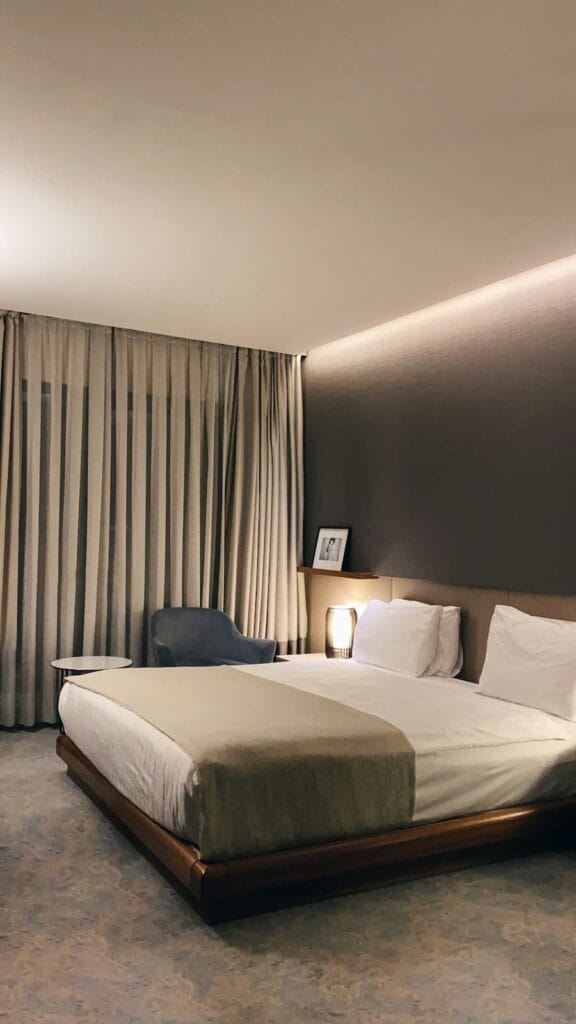
The bedroom should feel calm and familiar, but it also needs to support safe movement, particularly during the night when visibility is reduced. Many falls occur when getting in or out of bed or when walking to the bathroom, making this an important area to review.
Bed height plays a key role in safety. Sitting down and standing up should feel controlled rather than effortful. In some situations, bed rails may provide additional support, though these should only be used when appropriate and ideally following professional advice. For those with reduced mobility or who spend longer periods in bed, pressure-relieving mattresses can improve comfort and skin health and typically start from around £150.
Clear, unobstructed pathways are essential. The route from bed to bathroom should be free from loose rugs, clutter or furniture that could be difficult to navigate in low light. Where fall risk is higher, discreet fall mats placed beside the bed offer extra protection and usually cost £30–£60.
Lighting is one of the simplest and most effective night-time safety measures. Motion-sensor lights or plug-in night lights gently illuminate pathways as someone moves, reducing the need to search for switches. These typically cost £10–£25 and help maintain orientation without disrupting sleep.
Keeping essential items such as glasses, a phone or water within easy reach reduces unnecessary movement during the night. For some individuals, an emergency call system may provide additional reassurance, particularly if they live alone or are recovering from illness.
Together, these adjustments create a bedroom environment that supports both rest and safety, helping older adults feel more secure at night without compromising comfort or independence.
Kitchen Safety Adaptations
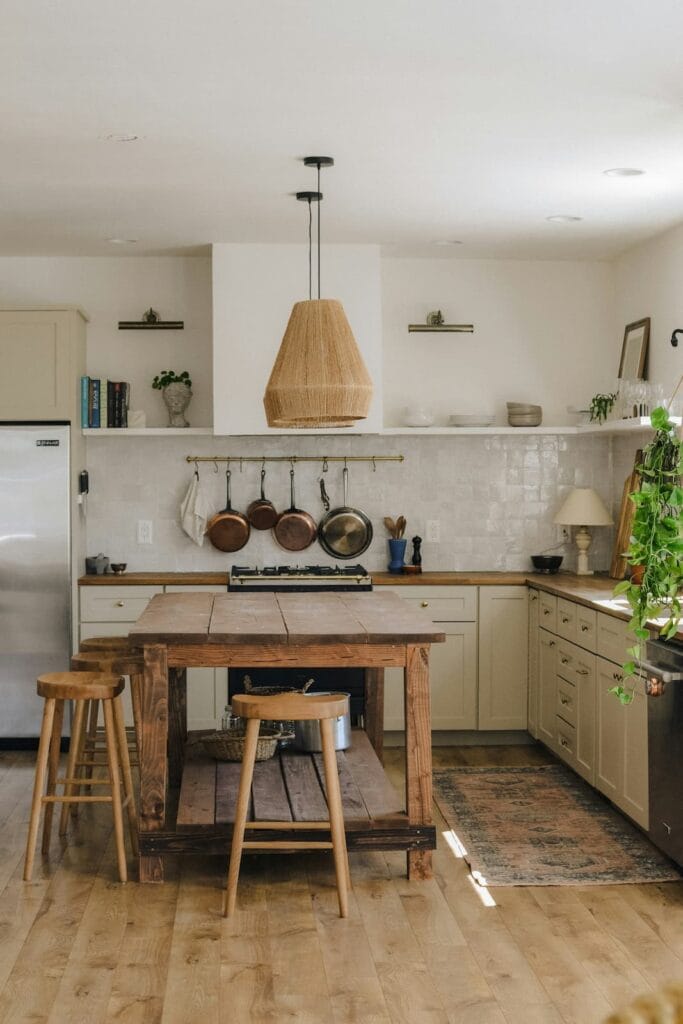
The kitchen is one of the most frequently used areas of the home, and maintaining safety here supports both independence and confidence. With a few considered adjustments, it can remain a practical space for meal preparation without increasing the risk of burns, cuts or falls.
Storage layout plays an important role in reducing strain and imbalance. Pull-out shelves or lower storage units make items easier to reach and typically start from around £50 per unit. Frequently used cookware, utensils and food should be kept at waist height to reduce the need for bending, stretching or climbing.
Fixtures and fittings can also improve day-to-day safety. Lever-style taps are easier to operate for those with reduced grip strength and generally cost from £20. Anti-scald devices, costing around £20, provide additional reassurance by preventing sudden temperature changes.
Cooking appliances should support safety as well as convenience. Appliances with automatic shut-off functions reduce the risk of accidents if something is forgotten. Induction hobs, available from around £200, remain cool around the cooking surface and can help reduce burn risk where suitable. Task lighting above work surfaces improves visibility during food preparation and reduces the likelihood of cuts.
Seating is another practical consideration. A stable chair or stool allows food preparation to be done while seated, reducing fatigue and fall risk during longer tasks. Lightweight cookware further supports safer handling, particularly for those with reduced strength or joint stiffness.
Together, these changes help the kitchen remain a place of routine and independence rather than concern, allowing older adults to prepare meals safely and comfortably.
Lighting and Visibility Improvements
Changes in vision are a normal part of ageing and can affect depth perception, contrast and the ability to adapt to low light. Poor or uneven lighting can make familiar spaces harder to navigate, increasing the risk of trips and falls. Improving lighting is one of the simplest and most cost-effective ways to enhance safety throughout the home.
Indoors, brighter and more evenly distributed lighting helps reduce shadows that can obscure steps, furniture edges or changes in floor level. Replacing low-output bulbs with higher-lumen, energy-efficient alternatives can significantly improve visibility at minimal ongoing cost. In darker areas, additional lamps or ceiling lights help ensure rooms feel consistent and predictable rather than patchy.
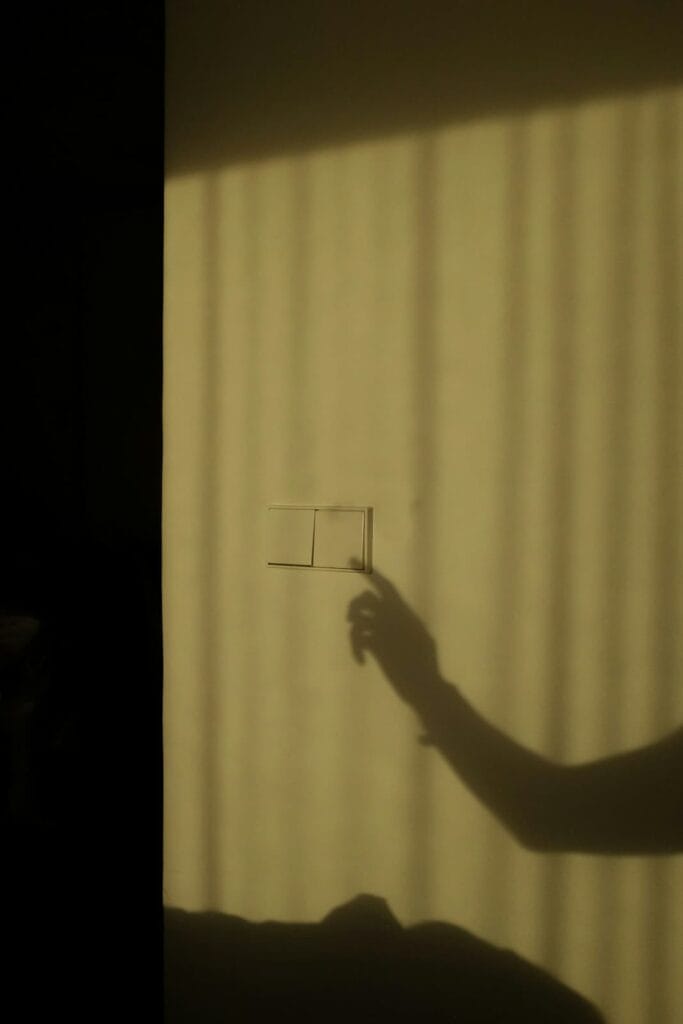
Light switches should be easy to locate and operate. Rocker-style switches positioned at accessible heights are easier to use for those with limited dexterity and typically cost £5–£15 per switch when installed. In areas used for reading, hobbies or detailed tasks, dedicated task lighting improves clarity and reduces eye strain. Daylight-spectrum bulbs can further enhance contrast and colour recognition.
Outside the home, good lighting supports safer access during the evening and early morning, especially during darker winter months. Illuminating paths, entrances and steps reduces the likelihood of slips and improves confidence when coming and going. Motion-activated lights, usually costing £15–£40, switch on automatically and remove the need to search for switches in the dark.
By improving lighting both indoors and outdoors, families can make the home feel more navigable and reassuring at all times of day, supporting independence while quietly reducing risk.
Emergency Preparedness and Response
Emergency planning is not about expecting something to go wrong, but about ensuring help can be accessed quickly and calmly if it is ever needed. Simple preparation can provide reassurance to both older adults and their families, particularly for those living alone or managing long-term health conditions.
Personal emergency response systems allow individuals to call for help at the press of a button and typically cost from £20–£40 per month, depending on the provider. Some systems include automatic fall detection, offering added reassurance where balance or mobility is a concern.
Technology can support safety when used appropriately and with consent. Smart home systems allow remote checks on lighting, heating or doors, while medication reminder devices support daily routines and reduce missed doses. These tools should complement independence rather than replace it.
Taken together, these measures create a home that is prepared rather than reactive, supporting safety without undermining confidence or independence.


Medication Management Solutions
Managing medication can become more complex over time, particularly where multiple prescriptions are involved or routines change due to illness or recovery. Errors are usually unintentional and often linked to confusion or poor organisation rather than lack of care. Simple systems can greatly reduce these risks while supporting independence.
Clear organisation is key. Pill organisers (Dossette Boxes) with labelled compartments help structure daily routines and typically are available from pharmacies or at minimal cost depending on design. Reminder apps or alarm devices provide gentle prompts at the right times and can be especially helpful for those managing several medications. Medicines should be stored in a cool, dry place, away from heat and moisture, to maintain their effectiveness. Our carers will make sure your medication is supported in the proper manner. While we would advise against medication compartment aids, a solution can be found easily while working with our dedicated team
Regular reviews with a GP or pharmacist help ensure prescriptions remain appropriate and dosages are correct, particularly when new medications are introduced or health needs change. Keeping an up-to-date medication list supports safer care during appointments or emergencies, and these as well as all doses of medication provided are recorded in our electronic care system, available to managers, clients, Families and authorised advocates.
Additional practical measures further reduce the likelihood of mistakes. Expired or unused medication should be returned to a pharmacy for safe disposal. Large-print labels improve readability, while separating medications that look similar helps prevent mix-ups. Any emergency medication should be clearly identified and easy to access.
With these systems in place, older adults can manage medication more confidently, while families gain reassurance that routines are clear, consistent and safe.
Financial Support for Home Adaptations
Concerns about cost can sometimes delay important adaptations, but financial support may be available. Depending on eligibility and location, this can include Disabled Facilities Grants for more significant changes, local authority funding following a needs assessment, and VAT relief on qualifying disability-related equipment. In some cases, council tax adjustments may apply where essential adaptations create additional living space.
Tenants are not excluded from support. Reasonable adjustments can often be requested, with local councils or housing providers offering guidance on how to proceed. Because funding criteria and availability vary, families are encouraged to contact their local council directly for the most up-to-date advice. Versacare will be happy to assist in working with Local Authorities to access these devises at little or no cost to the client.

A Home That Supports Independence
Small home modifications can make a meaningful difference to everyday safety while preserving the comfort and familiarity of home. By reducing risk without disrupting routines, these changes help older relatives remain confident, independent and in control of their daily lives. Each adjustment, however modest, reinforces dignity and supports healthy ageing.
Importantly, not every improvement requires major changes or specialist equipment. Many effective safety measures can be introduced quickly, at low cost and with minimal disruption, often using simple, readily available items. Some of the most impactful and affordable options include:
- Non-slip mats in bathrooms and kitchens to reduce slipping on wet floors (typically £10–£20)
- Motion-sensor or plug-in night lights to safely illuminate routes to the bathroom at night (around £10–£25)
- Grab bars in bathrooms or near steps to provide extra support during movement (usually £15–£30 each)
- Pill organisers with clearly labelled compartments to support consistent medication routines (£5–£20)
- Contrast strips on stair edges to improve visibility and depth perception (£5–£10 per strip)
For many families, starting with one or two of these simple changes is enough to improve day-to-day safety and build confidence. Over time, further adjustments can be made as needs evolve, helping older adults continue living the life they choose, safely and comfortably, for as long as possible.
Remember we are here to help organise and acquire necessary equipment to assist in providing a safe and caring environment.